
When people see a bag of CBD Isolate, it's easy to focus on the final product—a fine white crystalline powder.
But behind every kilogram of CBD lies months of cultivation, careful processing, strict quality control, and countless decisions that influence the final result.
High-quality CBD doesn't begin in the laboratory.
It begins in the field.
Step 1: Selecting the Right Hemp Genetics
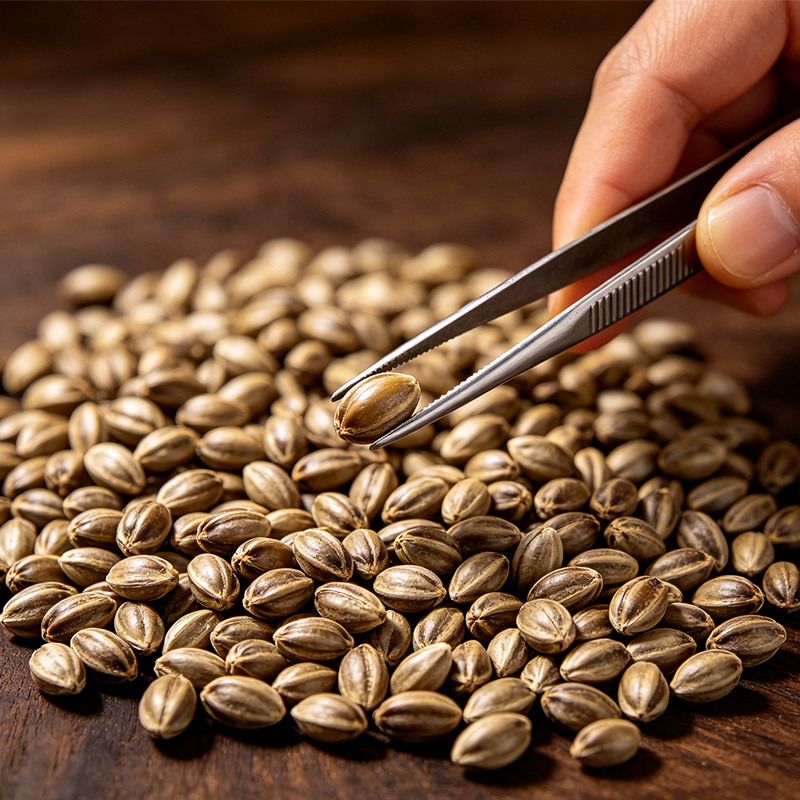
Everything starts with the seed.
Choosing the right hemp variety determines cannabinoid content, plant stability, yield, and the ability to remain compliant with THC regulations.
Good genetics are the foundation of a consistent CBD supply.
Step 2: Cultivation
Healthy plants require much more than sunlight and water.
Soil quality, climate, irrigation, nutrition, and cultivation practices all influence plant growth and cannabinoid development.
The healthier the crop, the better the raw material for extraction.
Step 3: Harvesting and Drying
Harvest timing is critical.
Harvest too early, and cannabinoid levels may not have fully developed.
Harvest too late, and quality can decline.
After harvesting, proper drying helps preserve cannabinoids and reduces the risk of mold or unwanted degradation.
Step 4: Extraction
Once dried, the hemp biomass is processed to extract cannabinoids and other plant compounds.
Various extraction technologies are used in the industry, with the goal of efficiently separating valuable compounds from the plant material while maintaining product quality.
Step 5: Purification and Distillation
The crude extract still contains waxes, pigments, fats, and other naturally occurring compounds.
Through purification and distillation, these impurities are gradually removed, producing a cleaner and more concentrated cannabinoid extract.
Step 6: Isolation
For CBD Isolate, an additional crystallization process is used to obtain highly purified CBD, typically with a purity of 99% or higher.
This is the stage where CBD takes on its familiar crystalline appearance.
Step 7: Laboratory Testing
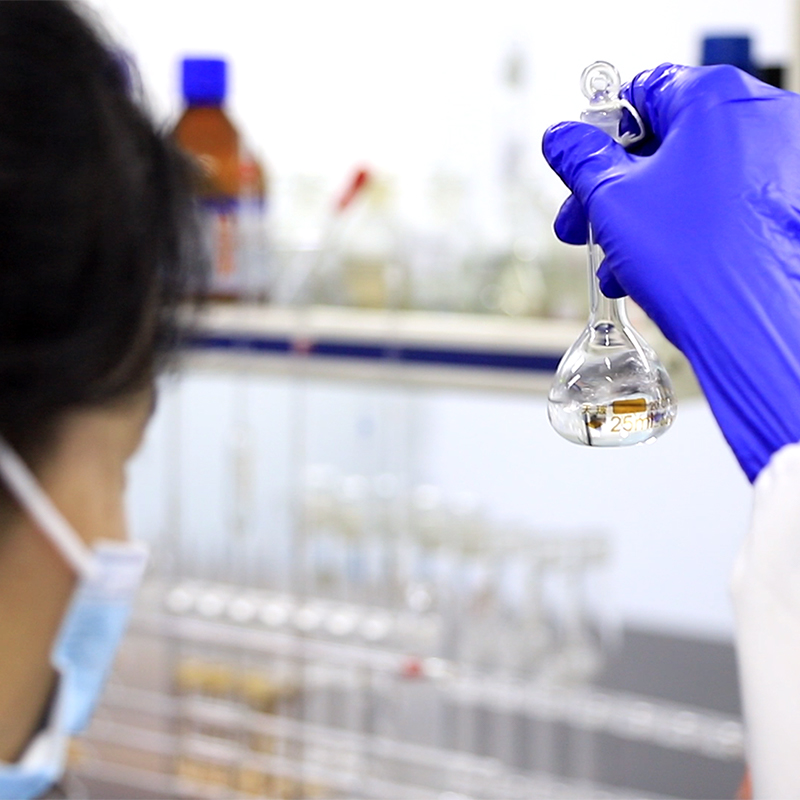
Before any batch reaches customers, it should undergo comprehensive third-party testing.
A complete Certificate of Analysis (COA) typically verifies:
CBD potency
THC compliance
Cannabinoid profile
Residual solvents
Heavy metals
Pesticides
Microbiological safety
Testing provides confidence that the product meets both quality expectations and regulatory requirements.
Step 8: Packaging and Storage
Even after production is complete, quality must still be protected.
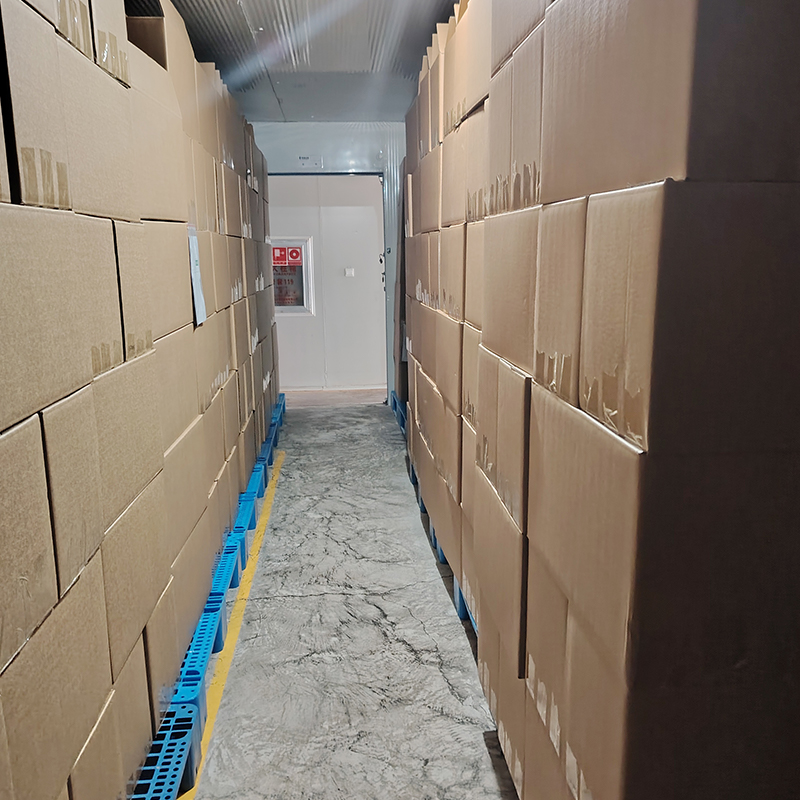
Proper packaging, controlled storage conditions, and careful transportation all help maintain product stability before it reaches customers around the world.
Every Step Matters
Many people think CBD is simply extracted from hemp.
In reality, every stage—from genetics to packaging—plays a role in determining the quality, consistency, and reliability of the final ingredient.
A successful CBD supply chain is not built on one excellent process.
It is built on excellence at every step.
Because great CBD isn't made in a single day—it is cultivated, refined, tested, and protected throughout its entire journey.