As sustainability becomes a defining factor in global trade and consumer behavior, materials once considered niche are now entering the mainstream. Among them, industrial hemp is rapidly gaining attention—not just in textiles and construction, but also in everyday consumer products like cups and packaging.
But how do hemp-based cups actually compare to traditional plastic cups in terms of environmental impact?
Let’s take a closer look.
What Are Hemp-Based Cups Made Of?
Hemp cups are typically produced from industrial hemp fibers, sometimes combined with biodegradable binders such as PLA (polylactic acid), or in some cases blended with conventional plastics depending on cost and manufacturing requirements.
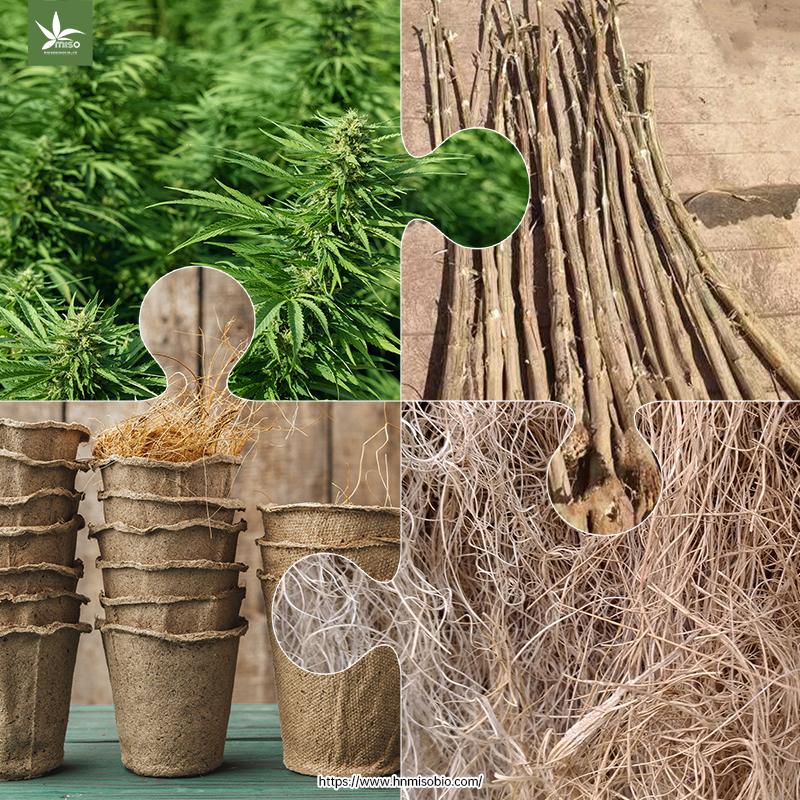
The key distinction lies in whether the product is:
100% bio-based and compostable
Biodegradable composite (hemp + PLA)
Partially plastic-based (hemp + PP/PE)
This composition directly determines how environmentally friendly the product truly is.
Decomposition Time: Hemp vs Plastic
One of the most critical differences between hemp cups and plastic cups is their decomposition timeline.
Hemp-Based Cups
Pure hemp or fully biodegradable materials:
Typically decompose within 3 months to 1 year under natural conditions
Hemp + PLA composites:
Around 6 months to 2 years, faster under industrial composting conditions
Hemp + conventional plastic blends:
Decomposition may take significantly longer, depending on plastic content
Traditional Plastic Cups
Made from materials like polypropylene (PP) or polystyrene (PS)
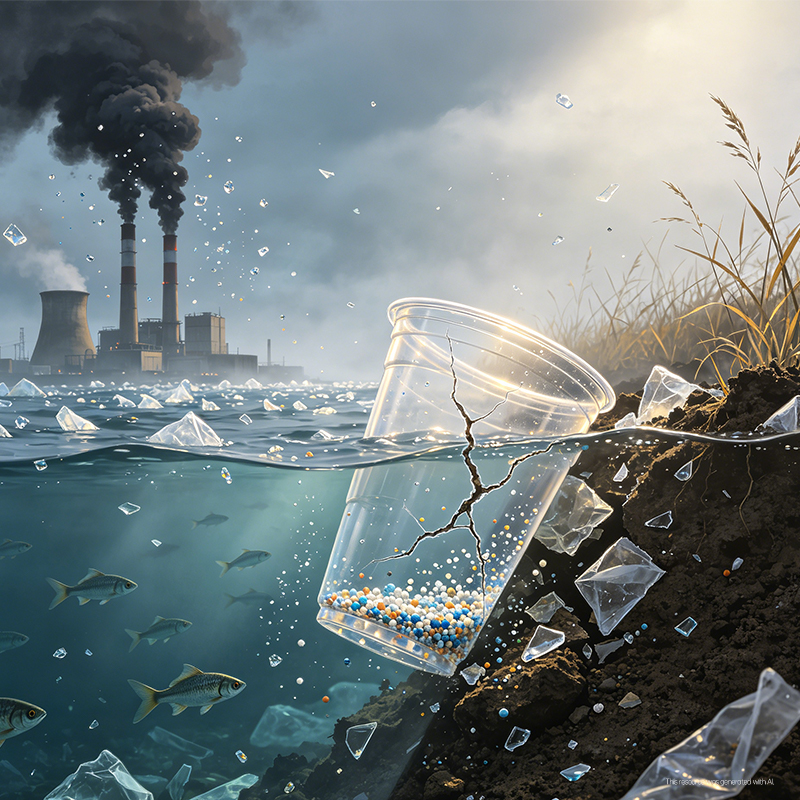
Require 50 to 500 years to break down
Often degrade into microplastics rather than fully decomposing
Environmental Impact
The difference is not just about time—it’s about long-term environmental consequences.
Hemp Cups:
Derived from renewable resources
Biodegradable (in most formulations)
Lower carbon footprint during cultivation
Minimal microplastic pollution risk
Plastic Cups:
Made from fossil fuels
Persist in ecosystems for generations
Major contributor to marine pollution and microplastics
Limited recycling efficiency globally
Market Trends & Business Opportunities
Sustainability is no longer optional—it’s becoming a regulatory and consumer-driven requirement.
Governments worldwide are tightening restrictions on single-use plastics
Brands are actively seeking eco-friendly packaging alternatives
Consumers are increasingly willing to pay a premium for sustainable products
Hemp-based materials present a compelling opportunity:
Strong ESG positioning
Differentiation in crowded markets
Alignment with global environmental goals
A Realistic Perspective
While hemp cups offer clear advantages, it’s important to remain transparent:
Not all “hemp products” are fully biodegradable
Production costs are still higher than traditional plastics
Infrastructure for composting varies by region
For businesses, material transparency and certification (e.g., compostability standards) will be key to building trust.
Conclusion: A Material for the Future
When comparing hemp cups to plastic cups, the conclusion is clear:
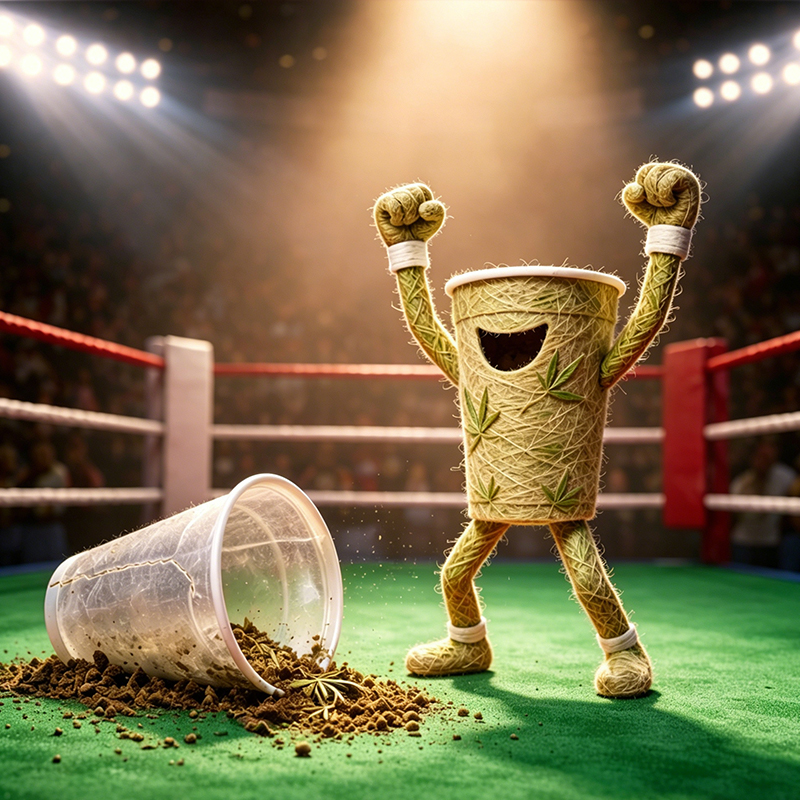
Hemp-based cups—especially fully biodegradable ones—decompose significantly faster and have a far lower environmental impact.
As industries move toward greener alternatives, hemp is no longer just a trend—it’s becoming part of the solution.
For companies involved in sustainable materials, packaging, or hemp-derived products, this shift represents not just an environmental responsibility, but a powerful business opportunity.
If you're exploring hemp-based materials or looking to integrate sustainable solutions into your product line, feel free to connect—happy to exchange insights and opportunities.