When people talk about premium CBD, the conversation often focuses on extraction methods, purity, or laboratory testing.
But an equally important question comes much earlier in the supply chain:
How was the hemp grown?
Today, hemp is primarily cultivated in three ways: Outdoor, Greenhouse, and Indoor.
Each method offers unique advantages and challenges, and none is universally "better." The right choice depends on the product, the market, and the goals of the grower or brand.
Outdoor Cultivation: Working with Nature
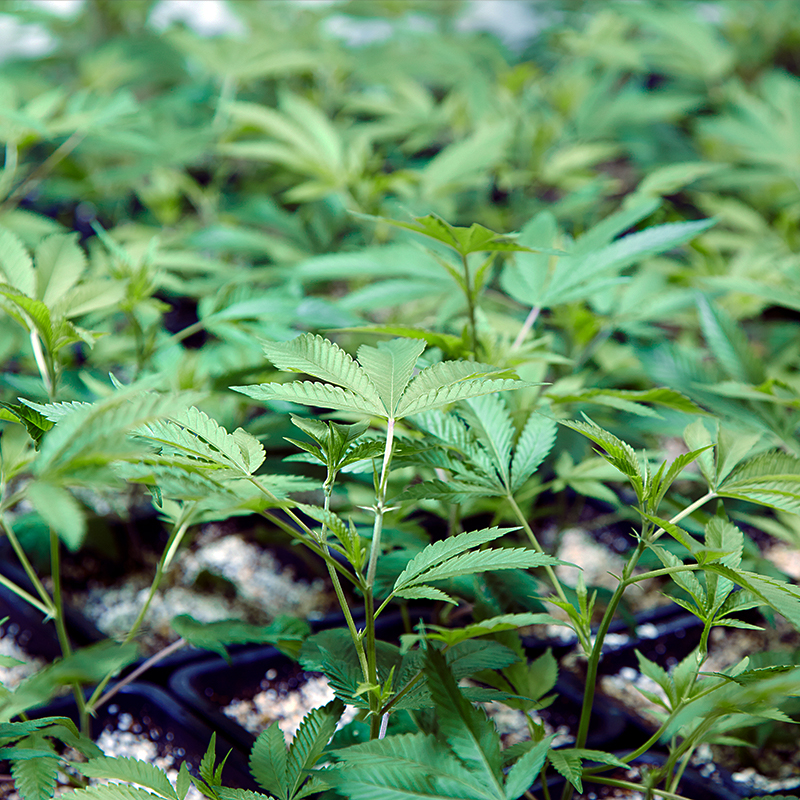
Outdoor cultivation relies on natural sunlight, seasonal weather, and open fields.
Advantages
Lower production costs
Suitable for large-scale cultivation
Lower energy consumption
More sustainable from an environmental perspective
Considerations
Weather can affect yield and cannabinoid development.
Seasonal harvests limit production cycles.
Greater exposure to pests and environmental variability.
Outdoor cultivation is often well suited for large-volume CBD ingredient production, where efficiency and scalability are key priorities.
Greenhouse Cultivation: Finding the Balance
Greenhouses combine natural sunlight with a more controlled growing environment.
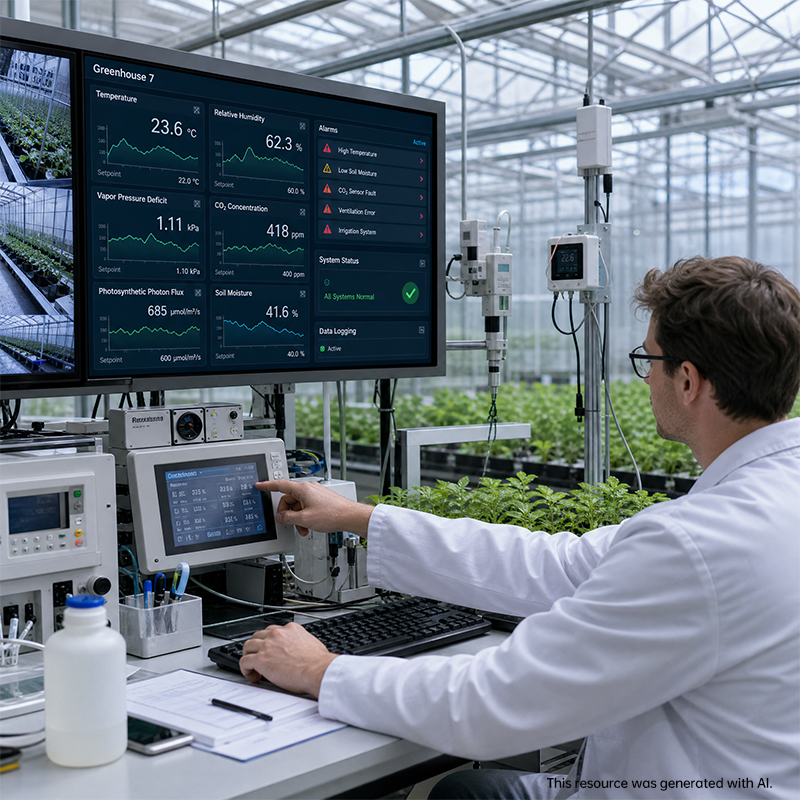
Growers can better manage temperature, humidity, irrigation, and pest control while still benefiting from sunlight.
Advantages
Better environmental control than outdoor farming
More consistent plant growth
Reduced weather-related risks
Improved resource efficiency compared with fully indoor facilities
Considerations
Higher investment and operating costs than outdoor cultivation
Environmental conditions are still influenced by seasonal changes
For many commercial producers, greenhouse cultivation represents a practical balance between quality, consistency, and production cost.
Indoor Cultivation: Maximum Environmental Control
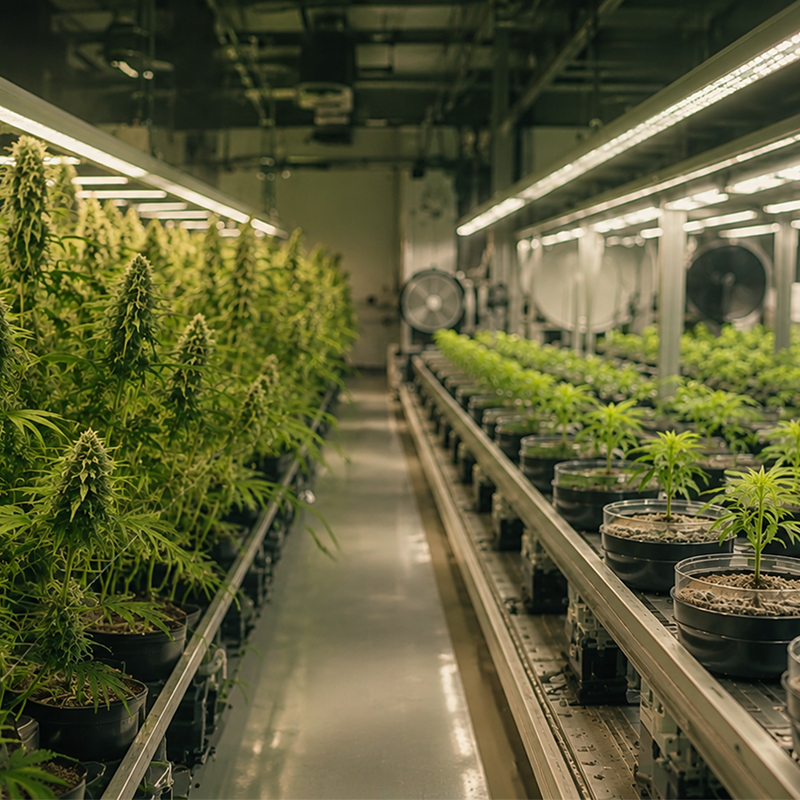
Indoor cultivation takes place in fully controlled facilities where lighting, temperature, humidity, airflow, and nutrition are carefully managed.
Advantages
Highly consistent growing conditions
Multiple harvests throughout the year
Reduced exposure to external contaminants
Greater flexibility for research and specialized cultivation
Considerations
High capital investment
Significant energy consumption
Higher production costs
Indoor cultivation is often chosen for specialized applications where consistency and precise environmental control are especially important.
There Is No One-Size-Fits-All Solution
Each cultivation method serves a different purpose.
Outdoor cultivation offers scalability.
Greenhouse cultivation balances quality and efficiency.
Indoor cultivation provides maximum environmental control.
The "best" option depends on product requirements, regulatory considerations, sustainability goals, and business strategy.
Final Thoughts
When evaluating CBD ingredients, it's worth looking beyond the final specification sheet.
Understanding how the hemp was cultivated provides valuable insight into the production process and helps explain why different products may be designed for different applications.
Because quality doesn't begin at extraction.
It begins long before—with the way the hemp is grown.