
As the global CBD industry continues to expand, one of the most confusing topics for buyers and brands is THC limits.
Why do some countries allow 0.3% THC, while others require non-detectable levels like 1ppm or
lower?
Understanding these differences is essential for compliance—and for avoiding costly risks in international trade.
1. What Does THC Limit Actually Mean?
THC (tetrahydrocannabinol) is the psychoactive compound in cannabis.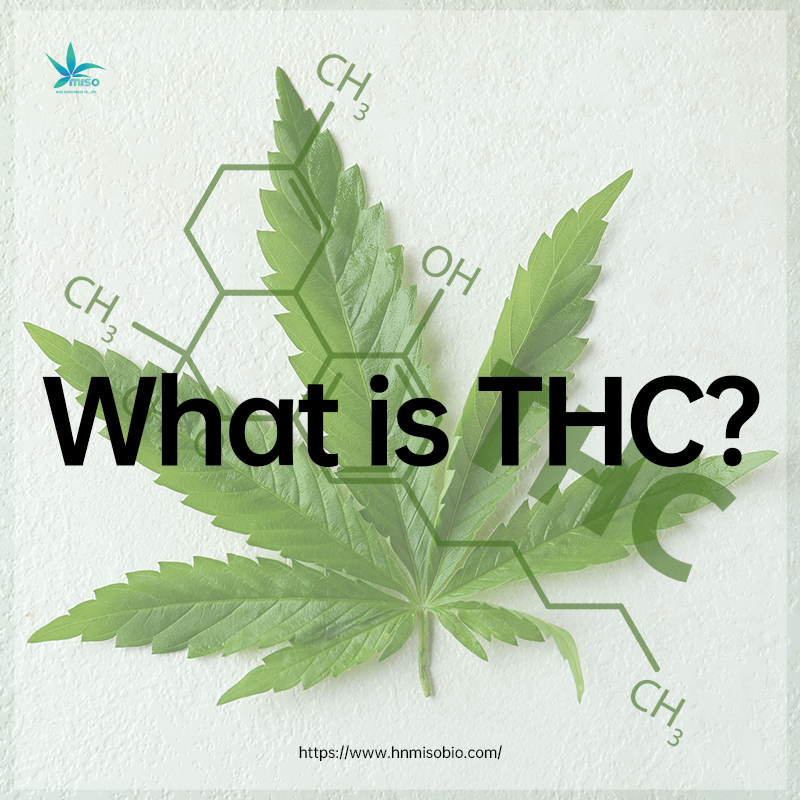
In CBD products, THC limits are set by regulators to ensure:
No intoxicating effects
Consumer safety
Clear distinction from controlled cannabis
However, the definition of “acceptable THC level” varies significantly across regions.
2. 0.3% THC – The U.S. Standard
In the United States, under the 2018 Farm Bill, hemp is defined as cannabis containing no more than 0.3% THC (dry weight).
This standard:
Is widely used in North America
Allows full-spectrum CBD products
Supports a broader range of formulations
But it is not suitable for export to stricter markets.
3. 0.2% THC – The European Approach
Many European countries adopt a stricter 0.2% THC limit for hemp cultivation and CBD products.
Key characteristics:
Slightly tighter control than the U.S.
Increasing regulatory scrutiny
Often combined with Novel Food requirements
Compliance here requires careful formulation and documentation.
4. 1ppm or Non-Detectable – The Ultra-Strict Standard
Markets like Japan require extremely low THC levels, often:
1ppm (0.0001%) or lower
In some cases, non-detectable THC
This means:
Even trace contamination can lead to rejection
Testing methods and consistency are critical
Broad-spectrum or isolate-based products are preferred
This is one of the most challenging compliance environments globally.
5. Why This Matters for Buyers
Choosing the wrong specification can result in:
Customs rejection
Product recalls
Legal risks
Financial losses
A product compliant in one country may be illegal in another.
6. Key Takeaways
THC limits are not globally unified
0.3%, 0.2%, and 1ppm represent completely different regulatory philosophies
Compliance depends on your target market—not your production origin
Final Thought
As regulations continue to evolve, working with experienced suppliers and understanding local requirements is more important than ever.
If you're sourcing CBD ingredients for international markets, feel free to connect—happy to share insights.