
This is one of the most frequently asked questions in the CBD industry:
Why do different people experience such different effects from the same CBD product?
Some users report noticeable relaxation or a sense of balance, while others say they feel very little or nothing at all.

This variation is not unusual — and there are several possible explanations.
First, individual biology plays a key role.
The human body has a regulatory system known as the endocannabinoid system (ECS), which is involved in maintaining internal balance. However, the functioning and sensitivity of this system can vary significantly from person to person.
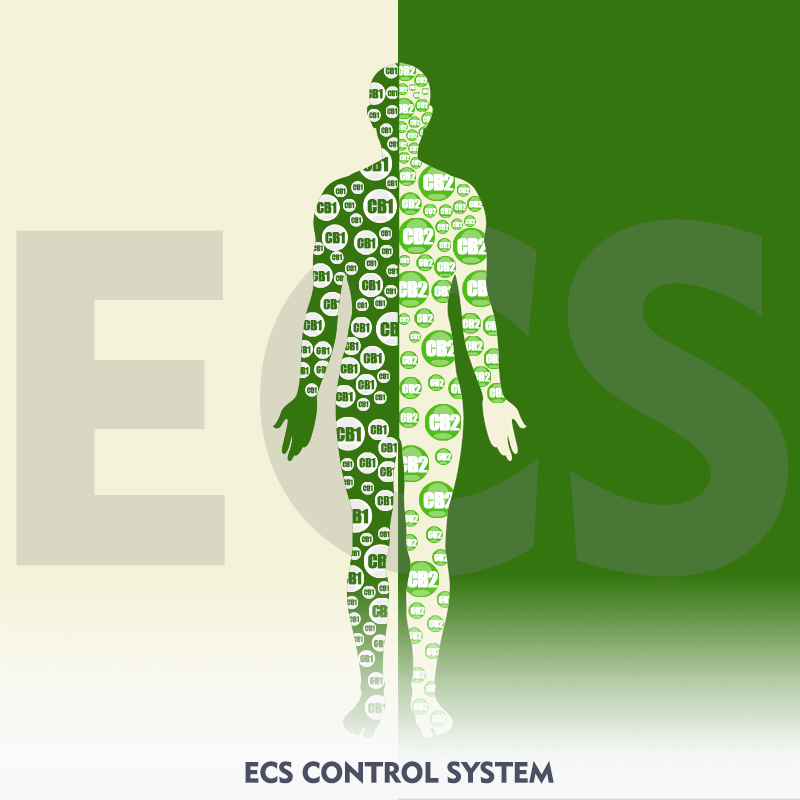
This means that two individuals taking the same amount of CBD may not necessarily respond in the same way.
Second, factors related to the body itself can influence perception, including:
• Metabolism differences
• Body composition
• Stress levels
• Sleep quality
• Overall health condition

Third, dosage and usage patterns matter.
CBD is not a one-size-fits-all ingredient. The same product may feel different depending on:
• The amount used
• Frequency of use
• Timing of consumption
• Consistency over time
In some cases, users may not notice immediate or strong effects simply because the dosage does not match their individual needs.
Finally, expectations also play an important role.
CBD is often described as a subtle, non-intoxicating compound. For many users, its effects are not necessarily immediate or strongly perceptible in a short time frame.
Overall, differences in response to CBD are completely normal within a diverse population.
As the industry continues to evolve, this variability is increasingly viewed not as a problem, but as an important characteristic of how cannabinoids interact with human biology.
Rather than asking “Does CBD work?”, a more accurate and meaningful question might be:
“How should CBD be understood in the context of individual variability?”
And this is where the industry is gradually shifting — from a product-centered view, to a more human-centered understanding of experience, formulation, and expectation.