
In recent years, the global wellness industry has witnessed a growing interest in the relationship between CBD (cannabidiol) and women’s health. From stress relief to sleep support, and from skincare to hormonal balance, CBD is increasingly being discussed as a potential ingredient in products designed specifically for women.
However, while consumer interest is rising rapidly, the scientific understanding of CBD’s role in women’s health is still evolving. In this article, we explore the current research, potential benefits, and emerging market opportunities surrounding CBD and female wellness.
Understanding CBD
CBD, or cannabidiol, is a naturally occurring compound extracted from the plant Cannabis sativa. Unlike another well-known cannabinoid, Tetrahydrocannabinol, CBD is non-intoxicating and does not produce psychoactive effects.
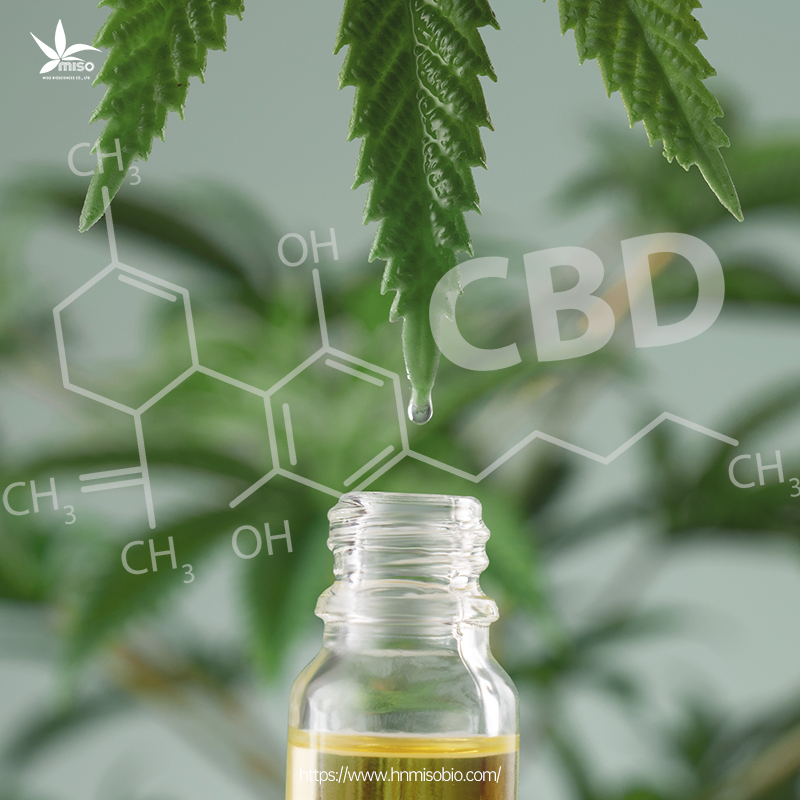
CBD interacts with the body through the Endocannabinoid System (ECS), a biological system involved in regulating many physiological processes such as:
mood
pain perception
sleep cycles
immune responses
hormonal balance
Because the ECS plays a role in many bodily systems, researchers have begun exploring how cannabinoids may influence various aspects of women's health.
Potential Benefits of CBD for Women
1. Stress and Anxiety Management
Women are statistically more likely than men to experience anxiety disorders. Preliminary research suggests that CBD may help support stress management by interacting with serotonin receptors in the brain.
Studies published in journals such as Neurotherapeutics have suggested that CBD may help reduce anxiety responses in certain situations, though more large-scale clinical trials are needed.
For many consumers, CBD products are used as part of a daily wellness routine to promote calmness and relaxation.
2. Sleep Support
Sleep disturbances are common among women, especially during periods of hormonal change such as pregnancy, postpartum recovery, and menopause.
Some research indicates that CBD may help regulate sleep cycles by influencing the endocannabinoid system and reducing factors such as anxiety and stress that disrupt sleep.
A clinical study published in The Permanente Journal reported improvements in sleep scores among participants using CBD, though the sample size was limited and further studies are needed.
3. Menstrual Discomfort and Pain
Many women experience pain and inflammation during menstruation. Because CBD has been studied for its potential anti-inflammatory and analgesic properties, it has gained attention as a possible natural approach for menstrual discomfort.

Research has shown that cannabinoids may influence inflammatory pathways and pain signaling. Although most evidence is still preclinical, CBD has been incorporated into products such as:
topical balms
wellness oils
bath products
These products are often marketed for relaxation and general comfort during menstrual cycles.
4. Skin Health and Hormonal Acne
Skin concerns related to hormonal fluctuations—such as acne, inflammation, and oil imbalance—are common among women.
CBD has been investigated for its effects on sebaceous glands and inflammation. A study published in The Journal of Clinical Investigation suggested that CBD may help regulate sebum production and reduce inflammatory responses in skin cells.
Because of these potential properties, CBD has become an increasingly popular ingredient in:
facial serums
anti-inflammatory creams
calming skincare formulations
5. Menopause and Hormonal Changes
Menopause can bring a variety of symptoms, including:
sleep disturbances
mood fluctuations
hot flashes
joint discomfort
While CBD is not a treatment for menopause, some researchers are investigating whether cannabinoids may help support overall well-being during this transition by influencing stress, sleep, and inflammation.
At present, there is no clinical evidence showing that CBD can delay ovarian aging or menopause, but interest in this area continues to grow.
The Emerging Market for Women-Focused CBD Products
Beyond the scientific discussion, the commercial potential of CBD in women’s wellness is expanding rapidly.
Market analysts have identified several product categories driving growth:
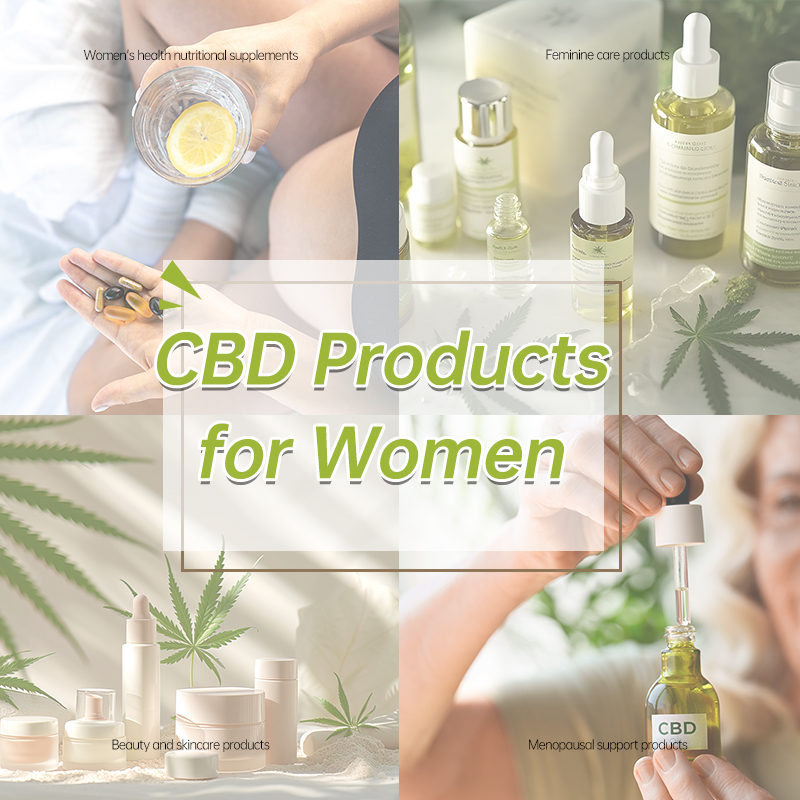
1. Women-specific wellness supplements
CBD oils and capsules formulated for relaxation, mood balance, or sleep support.
2. Feminine care products
CBD-infused products targeting menstrual comfort and intimate wellness.
3. Beauty and skincare
CBD serums, creams, and masks aimed at calming sensitive or inflamed skin.
4. Menopause support products
Emerging formulations combining CBD with botanical ingredients traditionally used for hormonal balance.
This intersection of plant-based wellness, functional ingredients, and female health awareness has created a unique opportunity for innovation within the global health and beauty industries.
Regulatory and Scientific Challenges
Despite its popularity, the CBD industry still faces several challenges:
Regulatory frameworks vary widely across countries
Clinical research is still limited
Product quality and labeling standards differ across manufacturers
For companies entering this market, transparency, compliance, and scientific responsibility will be essential to building long-term trust with consumers.
Looking Ahead
CBD’s relationship with women’s health remains a developing field of research, but the growing interest from scientists, healthcare professionals, and consumers suggests that this topic will continue to evolve.
As more clinical studies emerge and regulatory frameworks mature, CBD may play an increasingly important role in integrative wellness approaches designed for women.
For the global hemp industry, understanding the intersection between science, consumer demand, and responsible product development will be key to unlocking the full potential of CBD in women’s health.
Industry Perspective
As research continues to evolve, the intersection between CBD and women’s wellness is becoming an increasingly important area of interest for both scientists and the global health industry.
For companies involved in hemp extracts, nutraceutical ingredients, and functional wellness products, the future opportunity may lie not only in cannabinoids themselves, but also in responsible innovation, transparent sourcing, and science-driven product development.
As consumer awareness grows worldwide, the companies that invest in quality, compliance, and education will likely play a key role in shaping the next generation of CBD wellness products.