
As the global construction industry faces increasing pressure to reduce carbon emissions and adopt sustainable practices, alternative building materials are gaining significant attention. Among them, industrial hemp has emerged as one of the most promising renewable resources for eco-friendly construction. Once primarily associated with textiles and wellness products, industrial hemp is now redefining modern building practices through innovative applications such as hempcrete and bio-based composites.
What Is Industrial Hemp in Construction?
Industrial hemp refers to varieties of Cannabis sativa cultivated for industrial use, containing extremely low levels of THC (tetrahydrocannabinol). Unlike psychoactive cannabis, industrial hemp is grown for its fiber, stalk, and seeds, offering versatile applications across multiple industries.
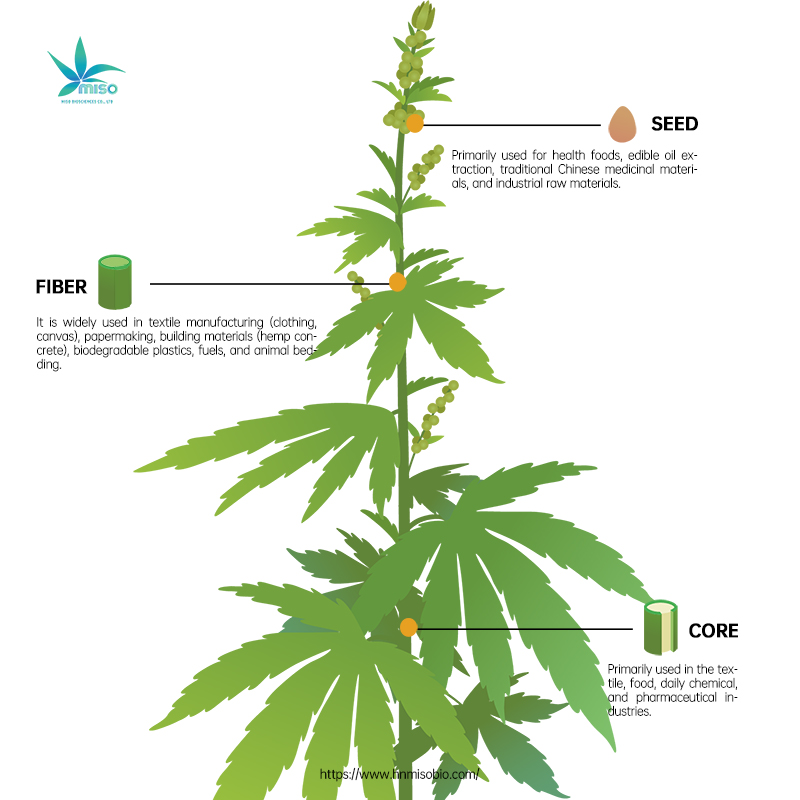
In construction, hemp is primarily used in the form of hemp shiv (the woody core of the stalk) mixed with lime and water to create a material known as hempcrete. Despite its name, hempcrete is not a load-bearing structural concrete. Instead, it functions as a lightweight insulating infill material used for walls, roofs, and flooring systems.
Hemp fibers are also used in insulation mats, bio-composites, and reinforcement panels, further expanding its potential in sustainable architecture.
Environmental Advantages: A Carbon-Negative Opportunity
One of the most compelling benefits of industrial hemp as a building material lies in its environmental performance.
Hemp is a fast-growing crop with a cultivation cycle of approximately three to four months. During its growth phase, it absorbs significant amounts of carbon dioxide from the atmosphere. When incorporated into building materials such as hempcrete, the captured carbon remains stored within the structure for decades.
Additionally, the lime used in hempcrete continues to absorb CO₂ through carbonation over time, potentially making hemp-based building systems carbon-negative under certain lifecycle conditions. Compared to traditional cement-based materials, which are responsible for approximately 8% of global CO₂ emissions, hempcrete presents a substantially lower carbon footprint.
As governments and developers pursue net-zero building targets, hemp construction offers a tangible pathway toward decarbonizing the built environment.
Thermal and Energy Efficiency Performance
Hempcrete is known for its excellent thermal insulation and thermal mass properties. Its porous structure creates natural air pockets, reducing heat transfer and stabilizing indoor temperatures.
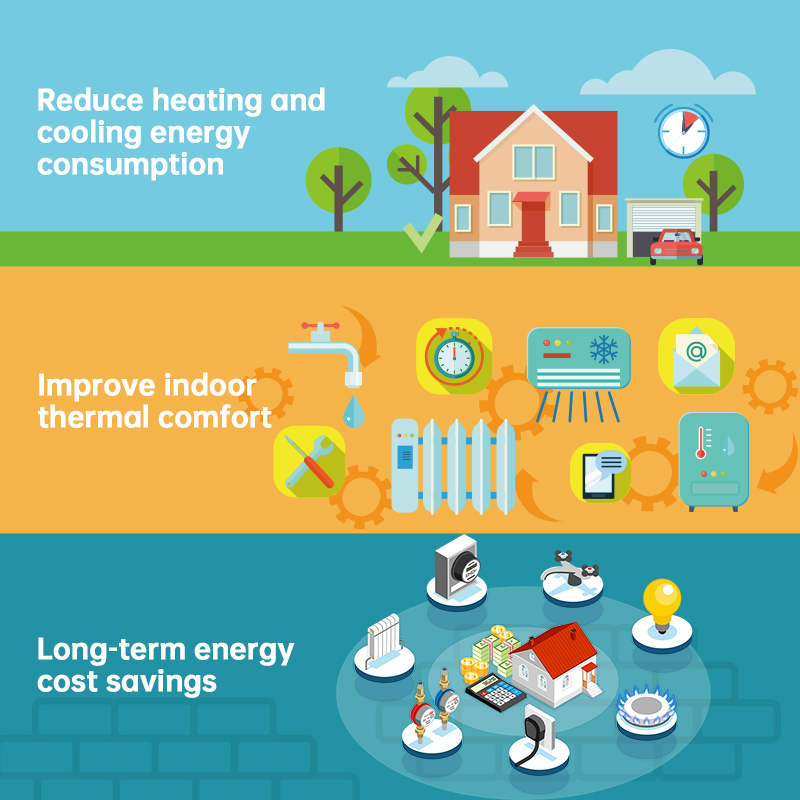
Buildings constructed with hemp-based wall systems often demonstrate:
Reduced heating and cooling energy demand
Improved thermal comfort
Lower long-term energy costs
In Europe, particularly in France and the United Kingdom, hempcrete has been integrated into passive house designs and low-energy residential developments. Its ability to regulate indoor temperature naturally makes it especially suitable for sustainable housing projects.
Moisture Regulation and Indoor Air Quality
Another key advantage of hemp-based construction materials is their breathability. Hempcrete is hygroscopic, meaning it can absorb and release moisture depending on environmental conditions.
This natural moisture-buffering capacity helps:
Prevent condensation buildup
Reduce mold growth
Improve indoor air quality
Maintain a balanced humidity level
Unlike synthetic insulation materials, hemp-based systems do not release harmful volatile organic compounds (VOCs), contributing to healthier living environments.
Lightweight and Seismic-Friendly Properties
Compared to traditional concrete, hempcrete is significantly lighter. This reduced weight decreases structural load requirements and can enhance performance in seismic regions. While hempcrete itself is not a structural material, when combined with timber or steel framing systems, it contributes to resilient, flexible building envelopes.
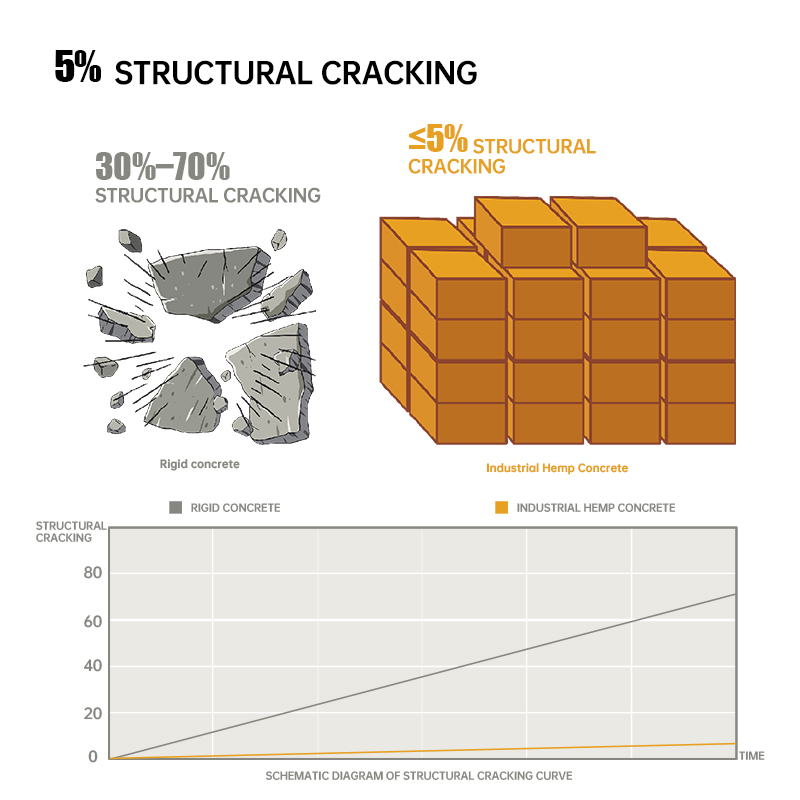
Its semi-elastic nature allows it to absorb certain levels of stress without cracking in the same way as rigid concrete systems.
Global Market Development
Europe remains the leader in hemp-based construction. France is often recognized as a pioneer in modern hempcrete applications, with thousands of residential and commercial buildings incorporating hemp-lime systems.
In the United States and Canada, the legalization of industrial hemp cultivation under recent agricultural reforms has accelerated research and pilot construction projects. Several eco-developers now market hemp-built homes as premium sustainable housing solutions.
Meanwhile, in emerging markets, industrial hemp is increasingly viewed as a strategic crop capable of supporting rural agriculture while supplying sustainable building materials.
As global green building certifications such as LEED and BREEAM continue to prioritize low-carbon materials, hemp construction solutions are gaining credibility within mainstream architectural practice.
Current Challenges
Despite its potential, industrial hemp construction faces several challenges:
1. Regulatory Frameworks
Building codes in many countries do not yet fully incorporate hempcrete standards. Certification processes and engineering guidelines remain under development in certain regions.
2. Cost and Supply Chain
Although hemp is relatively easy to cultivate, processing infrastructure for construction-grade hemp shiv is not yet fully industrialized in many markets. This can lead to higher upfront material costs compared to conventional insulation.
3. Market Perception
Public misunderstanding of the word “hemp” or its association with cannabis can create hesitation among conservative investors or regulators. Education and transparent communication remain essential.
The Future Outlook
As sustainability becomes central to urban development policies, bio-based materials are expected to play a critical role in next-generation construction systems.
The future of industrial hemp in building applications may include:
Integration with prefabricated modular construction
Hybrid systems combining hemp composites with engineered timber
Advanced research into hemp fiber-reinforced bio-polymers
Greater government incentives for carbon-negative materials
Expansion into commercial and public infrastructure projects
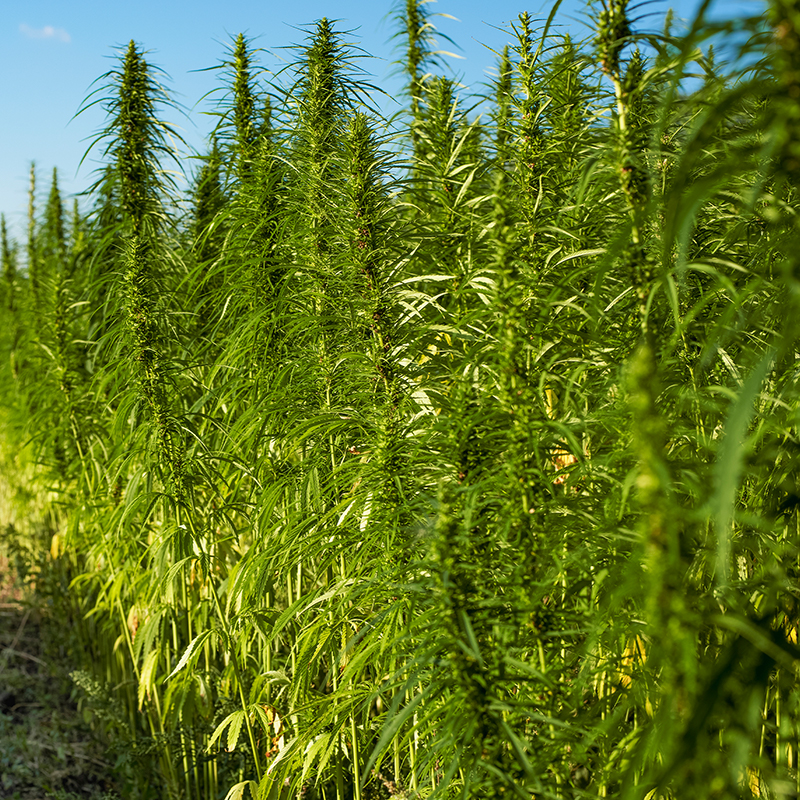
With growing global emphasis on climate resilience, carbon accounting, and circular economy models, industrial hemp stands out as a scalable agricultural solution capable of bridging farming and construction sectors.
Conclusion
Industrial hemp represents more than an alternative material—it embodies a shift toward regenerative construction. By combining rapid renewability, carbon sequestration potential, energy efficiency, and indoor health benefits, hemp-based building materials offer a viable pathway to reduce the environmental impact of the built environment.
Although challenges remain in regulation and scaling production, the momentum behind sustainable construction continues to accelerate. As technology advances and supply chains mature, industrial hemp may well become a cornerstone of eco-conscious architecture worldwide.