As the global hemp industry continues to mature, growers are constantly seeking the most efficient and sustainable cultivation methods. Among the many decisions hemp producers face, one of the most important is whether to grow hemp outdoors or in a greenhouse.
The answer is not always straightforward. Each cultivation method offers unique advantages and challenges, and the best choice often depends on the grower's objectives, climate conditions, and target market.
Outdoor Cultivation: Nature at Scale
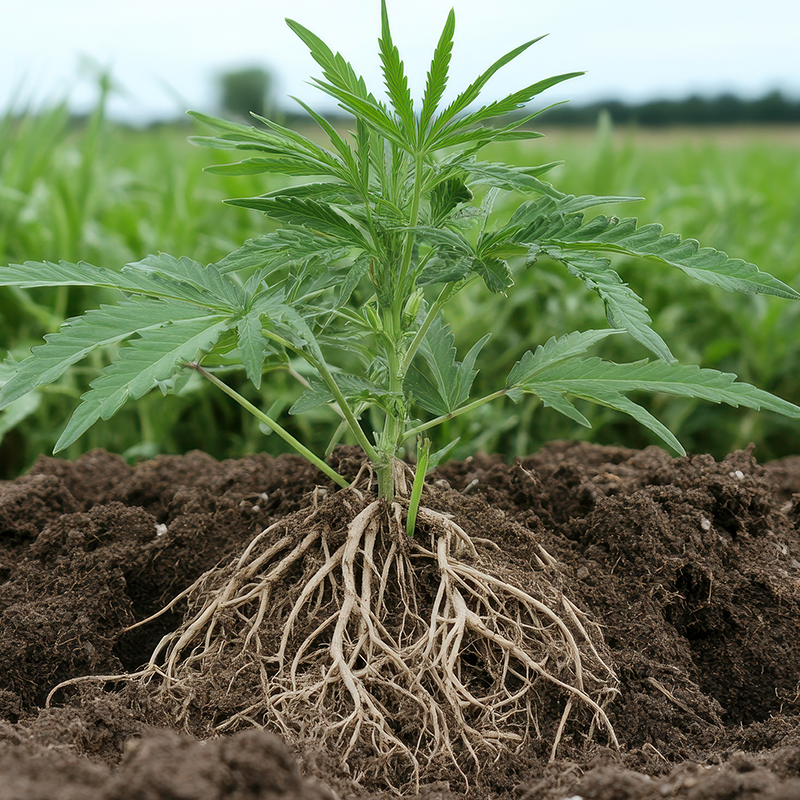
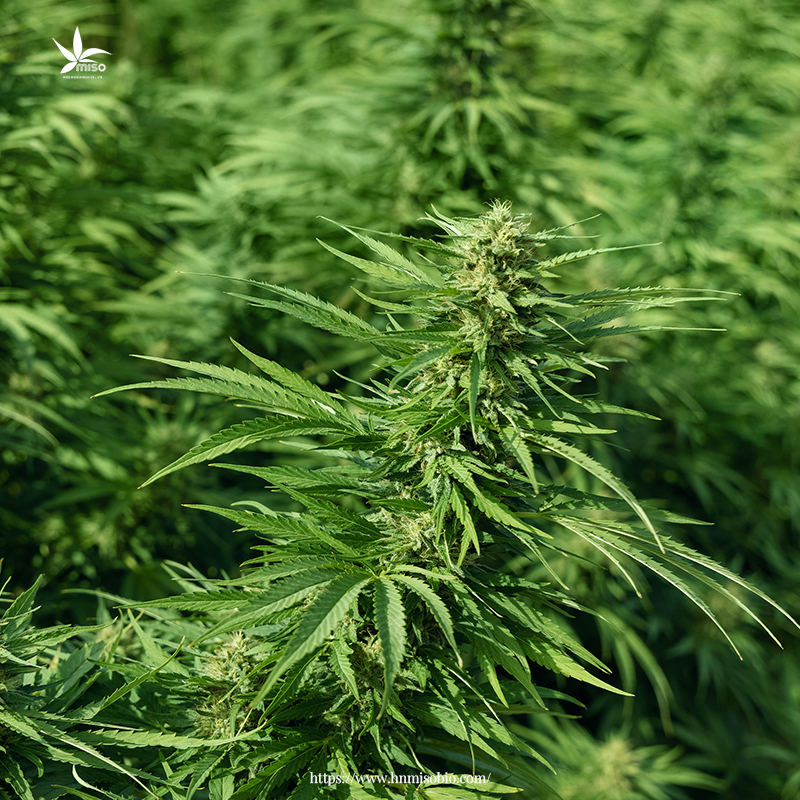
Outdoor cultivation remains the most common method for large-scale industrial hemp production. By utilizing natural sunlight, rainfall, and open land, farmers can cultivate hemp on a much larger scale while keeping production costs relatively low.
Advantages
Lower Production Costs
Outdoor cultivation requires significantly less investment in infrastructure and energy consumption compared to greenhouse operations.
Large-Scale Production
For producers targeting biomass, CBD extraction, fiber, or grain production, outdoor farming offers unmatched scalability.
Natural Growing Environment
Plants benefit from full-spectrum sunlight and natural environmental conditions, which can contribute to vigorous growth and strong root development.
Challenges
Weather Dependency
Drought, excessive rainfall, storms, and unexpected temperature fluctuations can all impact crop quality and yield.
Pest and Disease Pressure
Outdoor crops are more exposed to insects, pathogens, and environmental stress.
Variable Cannabinoid Content
Because environmental conditions cannot be fully controlled, cannabinoid and terpene profiles may vary between harvests.
Greenhouse Cultivation: Greater Control and Consistency
Greenhouse cultivation represents a middle ground between outdoor farming and fully indoor production. Growers can leverage natural sunlight while maintaining greater control over environmental conditions.
Advantages
Improved Environmental Control
Temperature, humidity, irrigation, and ventilation can be carefully managed to optimize plant health.
Higher Product Consistency
More stable growing conditions often lead to more consistent cannabinoid concentrations and terpene profiles.
Extended Growing Seasons
Greenhouses can protect crops from unfavorable weather and allow growers to extend production periods.
Enhanced Quality
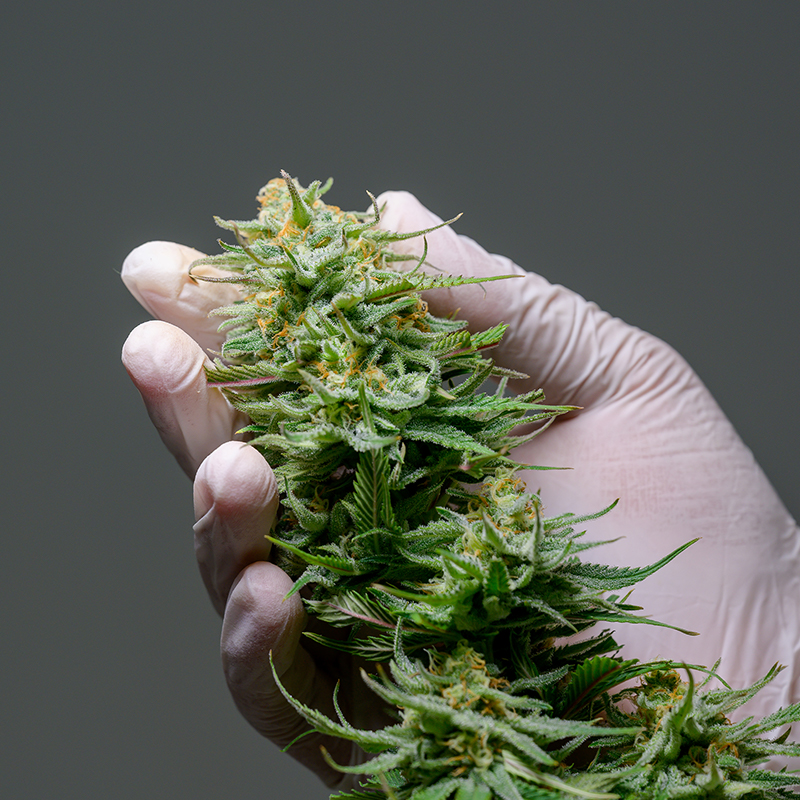
For premium CBD flower and high-value cannabinoid products, greenhouse cultivation often produces superior visual appearance and overall quality.
Challenges
Higher Initial Investment
Construction, equipment, irrigation systems, and environmental controls require significant capital.
Increased Operating Costs
Although lower than fully indoor cultivation, greenhouse production still incurs ongoing energy and maintenance expenses.
Limited Scalability
Compared to outdoor farming, greenhouse operations generally cover smaller cultivation areas.
Which Method Is Best for CBD Production?
For large-scale CBD isolate and distillate production, outdoor cultivation often provides the most cost-effective solution due to its lower production costs and higher biomass yields.
However, for premium flower products, specialty cannabinoid production, and markets demanding exceptional consistency, greenhouse cultivation may offer a significant advantage.
In reality, many successful hemp companies utilize a combination of both approaches: outdoor cultivation for volume and greenhouse cultivation for premium products.
Final Thoughts
There is no universal "best" cultivation method in the hemp industry.
Outdoor cultivation excels in scalability and cost efficiency, while greenhouse cultivation delivers greater control and product consistency.
The most successful producers are often those who align their cultivation strategy with their business goals, market demands, and local growing conditions.
As hemp cultivation technology continues to evolve, we may see even more innovative hybrid approaches emerge in the years ahead.