
In recent years, as health and nutrition awareness continues to grow, the dietary supplement market has been undergoing a major transformation. Among various natural ingredients, CBD (cannabidiol) has emerged as a focal point in modern nutrition due to its unique bioactive properties and multiple health benefits. This article explores the potential applications of CBD in dietary supplements, the scientific basis behind its effects, and emerging market trends, offering a fresh perspective on the modern nutrition revolution.
Understanding CBD and Its Nutritional Value
CBD is a naturally occurring compound extracted from the cannabis plant. Unlike THC, the primary psychoactive compound in cannabis, CBD does not produce intoxicating effects. Instead, it has gained attention for its anti-inflammatory, antioxidant, calming, and endocrine-regulating properties. Recent research suggests that CBD may help alleviate chronic inflammation, balance neurotransmitters, and support immune function, cardiovascular health, and skin repair. These attributes make CBD an ideal ingredient for dietary supplements, offering a novel approach to health and wellness.
Exploring CBD’s Role in Modern Nutrition
1. Anti-Inflammatory and Antioxidant Benefits
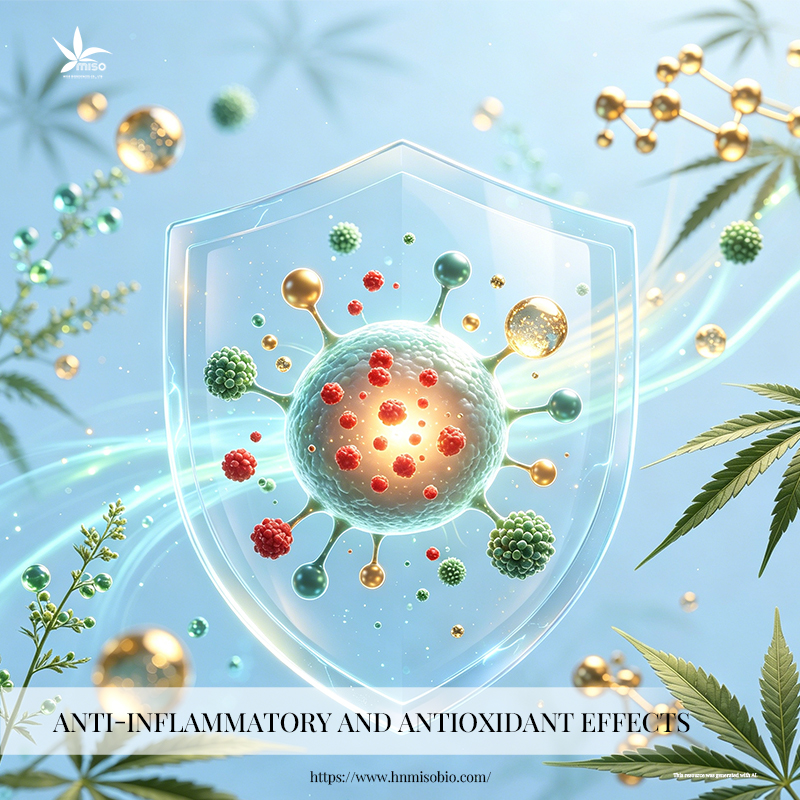
Modern lifestyles, characterized by pollution, stress, and unhealthy eating habits, often lead to inflammation and oxidative damage within the body. CBD has been shown to possess powerful anti-inflammatory and antioxidant properties, which help neutralize free radicals and reduce inflammation levels, thereby protecting cells from damage. This makes CBD a promising supplement for preventing and managing chronic health conditions, particularly beneficial for urban professionals and athletes.
2. Nervous System Regulation
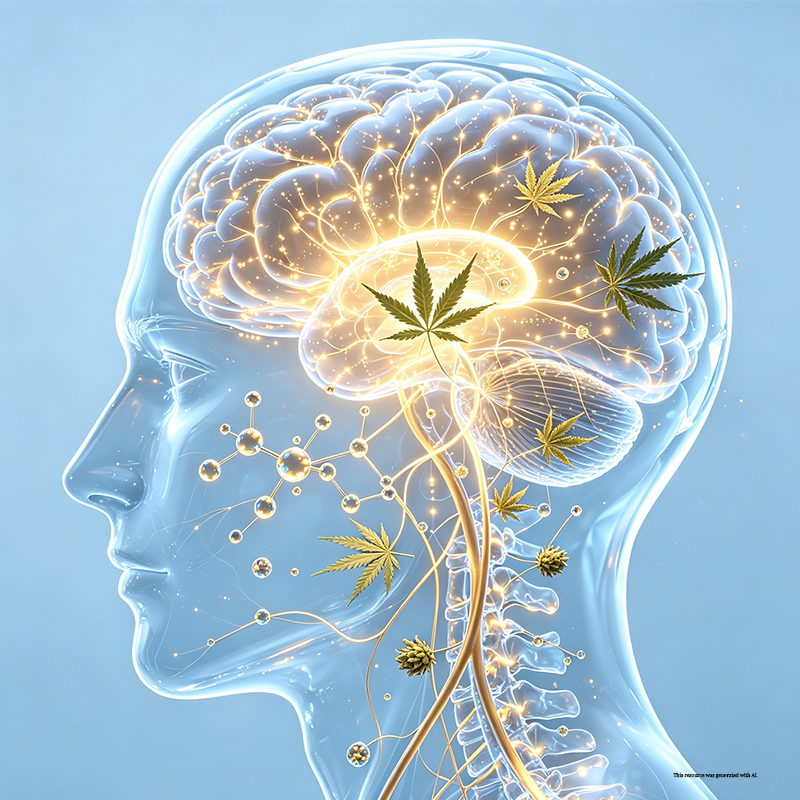
CBD interacts with the body’s endocannabinoid system to regulate neurotransmitter release, which can improve mood, alleviate anxiety, and promote better sleep. For individuals experiencing high levels of stress, CBD supplementation may not only enhance mental well-being but also improve overall quality of life. This potential has led to the development of dietary supplements specifically aimed at emotional balance and sleep enhancement.
3. Immune System Support
Some studies suggest that CBD may play a role in regulating immune function. By leveraging its anti-inflammatory and antioxidant effects, CBD could enhance the body’s immune response, helping it resist external threats. This makes CBD an attractive ingredient for immune-boosting supplements.
4. Skin Health and Beauty Nutrition
Beyond oral supplements, CBD is also widely used in beauty and skincare products. Its anti-inflammatory and antioxidant properties help improve skin conditions, soothe irritation, and promote natural skin repair. With growing consumer interest in holistic health, CBD-infused supplements are increasingly gaining traction in the beauty nutrition sector.
Market Trends and Future Prospects
As global health consciousness evolves and demand for natural supplements rises, CBD-infused dietary supplements are experiencing unprecedented growth. Key trends shaping the future of CBD in nutrition include:
• Standardization and Regulatory Improvements: As technology advances and industry regulations become more refined, CBD product quality control is expected to improve, increasing consumer trust and market stability.

• Cross-Industry Integration and Product Innovation: The food, beverage, supplement, and skincare industries are actively exploring CBD applications. Cross-industry collaborations can drive innovation, creating new business models and market expansion opportunities.
• Advancements in Scientific Research: As more rigorous clinical trials and fundamental research are conducted, CBD’s efficacy and mechanisms of action will become clearer, providing a stronger scientific foundation for its role in modern nutrition.
Conclusion
The dietary supplement industry is undergoing a transformative shift, and CBD, with its natural origins and diverse health benefits, is emerging as a key player in modern nutrition. Whether through its anti-inflammatory, nervous system-regulating, immune-supporting, or beauty-enhancing properties, CBD demonstrates vast potential for integration into health and wellness routines. As scientific research progresses and industry standards are refined, CBD is set to play an increasingly significant role in the global health and nutrition landscape, offering consumers a safer and more effective approach to overall well-being.