Resveratrol is a natural polyphenolic compound widely found in grape skins, Polygonum cuspidatum (Japanese knotweed), peanuts, and mulberries. It is known as the “King of Natural Antioxidants” and the “Molecule of Longevity.” Since its association with the “French Paradox” was discovered in 1992—explaining why the French have a low incidence of cardiovascular diseases despite a high-fat diet—resveratrol has gained global attention in scientific research and nutritional health industries. It is widely used for anti-aging, anti-inflammatory, antioxidant support, cardiovascular protection, and immune regulation.
I. Source and Structure of Resveratrol
Resveratrol belongs to the category of phytoalexins, natural protective compounds produced by plants in response to environmental stressors such as UV radiation and pathogenic invasion. It exists in two forms: trans-resveratrol and cis-resveratrol, with trans-resveratrol being more stable and biologically active. Industrial extraction primarily uses Polygonum cuspidatum due to its high resveratrol content and mature extraction process.
II. Key Benefits
1. Powerful Antioxidant & Anti-Aging Properties
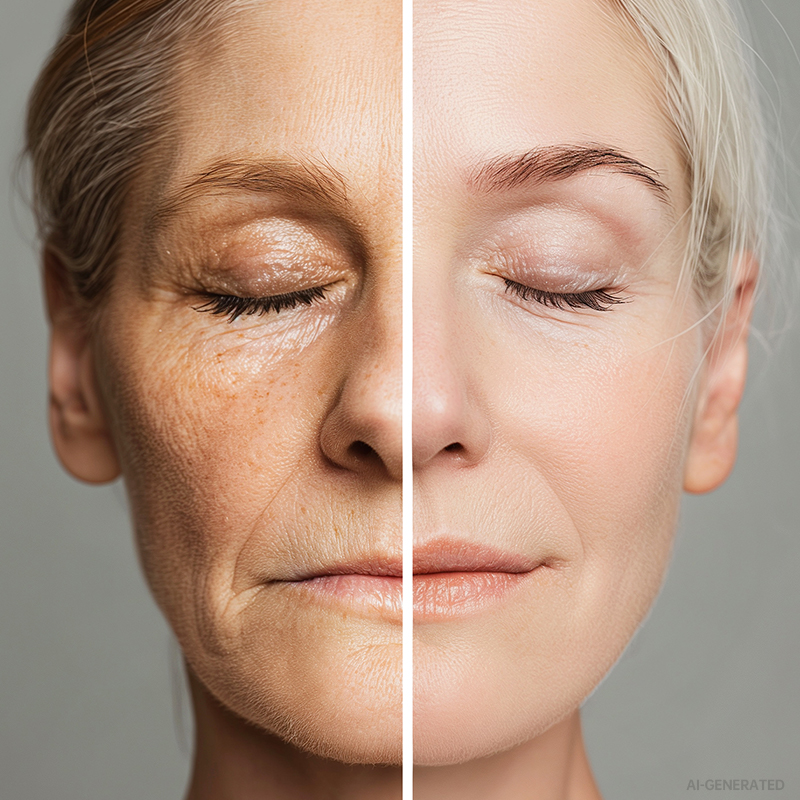
Resveratrol is highly effective in scavenging free radicals—over 20 times stronger than Vitamin C. It activates the longevity gene SIRT1, promotes cellular repair, and helps slow down collagen degradation, thereby delaying the aging process.

2. Cardiovascular Protection
Resveratrol inhibits the oxidation of low-density lipoprotein (LDL) cholesterol, which prevents the development of atherosclerosis. It also relaxes blood vessels, suppresses platelet aggregation, and reduces the risk of thrombosis, making it a powerful natural protector of cardiovascular health.
3. Anti-Inflammatory & Immune Modulation
Research shows that resveratrol reduces the release of inflammatory mediators and inhibits pathways such as COX-2 and NF-κB. It is effective in modulating chronic inflammation, such as arthritis and skin inflammation, and enhances immune function.
4. Potential Anti-Cancer Properties
In vitro studies have shown that resveratrol can inhibit the proliferation of cancer cells, promote apoptosis (cell death), and block tumor angiogenesis, demonstrating its potential value in anti-cancer research.
5. Liver Protection & Metabolic Regulation
Resveratrol helps prevent fat accumulation in the liver and improves non-alcoholic fatty liver disease. It enhances glucose metabolism and increases insulin sensitivity, offering benefits in preventing diabetes and metabolic syndrome.
III. Wide-Ranging Applications
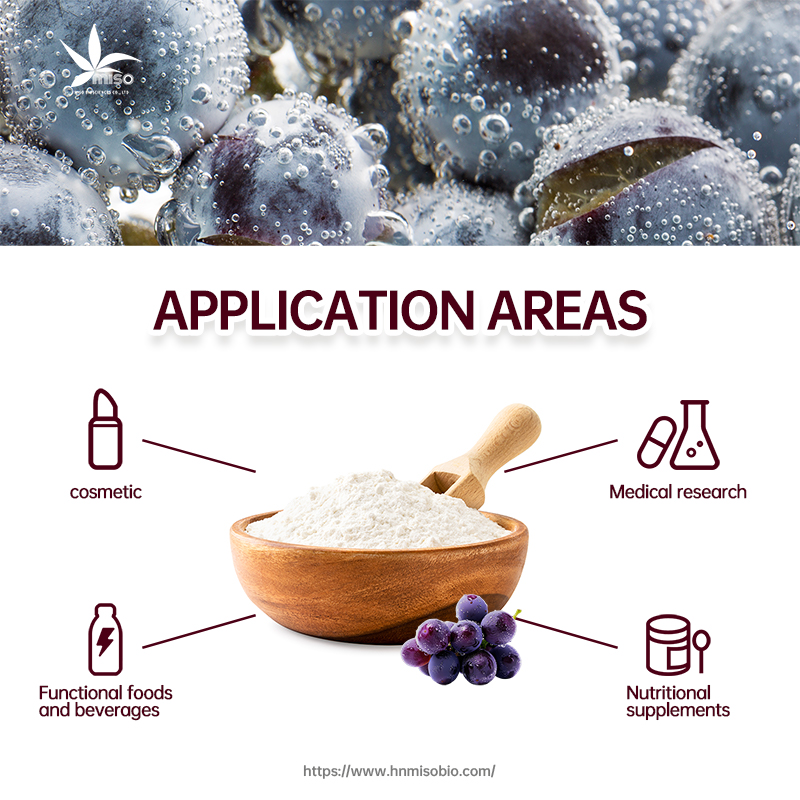
1. Nutritional Supplements: Commonly used in anti-aging and cardiovascular health formulas.
2. Functional Foods & Beverages: Added to wines, juices, and health drinks to boost antioxidant properties.
3. Cosmetics Industry: Incorporated into serums, creams, and masks for its anti-aging, anti-wrinkle, and skin-repairing effects.
4. Pharmaceutical R&D: Shows potential in preventing osteoporosis and neurodegenerative diseases such as Alzheimer’s disease.
IV. Safety and Recommended Dosage
Resveratrol is a natural plant-derived ingredient with a high safety profile. A daily intake of 50–200 mg is generally recommended for adults. Higher doses should be taken under professional guidance. Pregnant or breastfeeding women and individuals with low blood pressure should consult a physician before use.
V. Future Development Trends
With the global rise of health awareness and the growing demand for “extending healthspan rather than just lifespan,” resveratrol is expected to play an increasingly significant role in anti-aging medicine, precision nutrition, and personalized skincare. Particularly in developed countries such as the United States, Europe, and Japan, advanced technologies such as water solubilization and nano-encapsulation are being used to enhance its bioavailability, representing the future direction of high-end functional ingredients.
Conclusion
Resveratrol is not only scientifically recognized as a powerful anti-aging compound, but it is also an essential natural nutrient for maintaining vitality and preventing disease. By supplementing resveratrol in a scientific manner, individuals can improve their health at the cellular level and delay the aging process. With its broad range of proven benefits and potential medical value, resveratrol is poised to become one of the most valuable ingredients in the global health and wellness industry.