In today’s world of skincare and medicine, salicylic acid stands out as a truly versatile powerhouse. It is both a familiar remedy in our medicine cabinets—used to treat corns and warts—and a star ingredient in countless acne-fighting skincare formulas. Though often associated with modern chemistry, its roots trace back to antiquity: the name “salicylic” derives from Salix, the Latin word for willow, its natural source.
1. The Characteristics of Salicylic Acid: Structure Defines Function
Chemically known as ortho-hydroxybenzoic acid, salicylic acid is a white crystalline powder. Its unique molecular structure endows it with several essential properties that define its wide-ranging applications.
(1) Lipophilicity:
One of the core advantages of salicylic acid in skincare—especially for oily and acne-prone skin—is its fat-soluble nature. This allows the molecule to easily penetrate the lipid-rich surface of the skin and reach deep into pores. This is in sharp contrast to alpha-hydroxy acids (AHAs), such as glycolic acid, which are water-soluble and act mainly on the skin’s surface.
(2) Keratolytic Action:
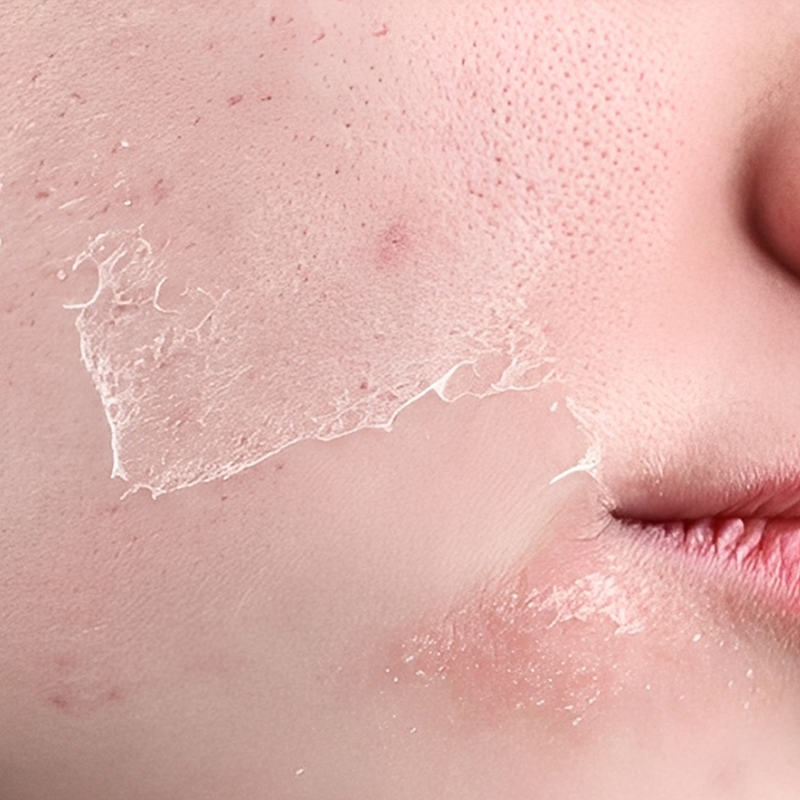
Salicylic acid helps break down the “desmosomes,” or intercellular bonds between keratinocytes, effectively loosening and dissolving excessive or hardened keratin buildup. This process promotes natural exfoliation and clears clogged pores, making it highly effective for treating blackheads, whiteheads, and comedonal acne.
(3) Anti-inflammatory and Antibacterial Effects:
It has intrinsic anti-inflammatory properties that help reduce redness and swelling around hair follicles. Moreover, salicylic acid creates an acidic environment that inhibits the growth of acne-causing bacteria (Propionibacterium acnes), helping calm inflamed pimples and prevent further outbreaks.
(4) Dual Regulation of Keratinization:
Unlike simple exfoliants that only strip the skin, salicylic acid not only removes excess keratin but also promotes the renewal of healthy skin cells—restoring a balanced and resilient skin barrier.
2. Broad Applications: From Skin to Science
Thanks to its multi-dimensional properties, salicylic acid has found success across a variety of fields.
(1) Dermatology and Personal Care
This is its most well-known area of use.
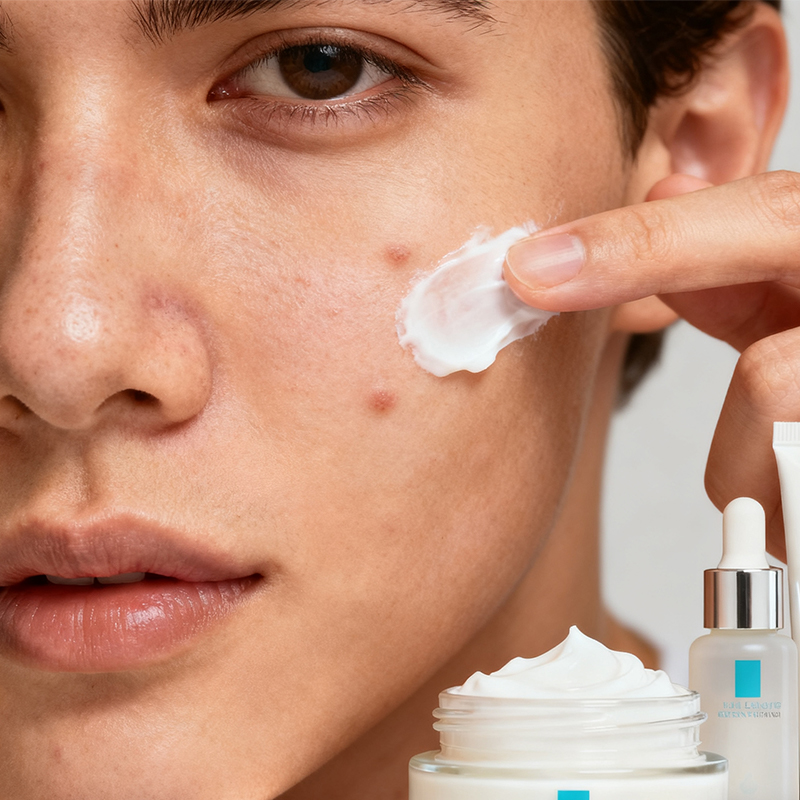
Acne Treatment: As one of the gold-standard over-the-counter anti-acne ingredients, salicylic acid deeply cleans pores by dissolving excess oil and dead cells. Its anti-inflammatory properties help soothe existing breakouts and prevent new ones.
Exfoliation and Skin Renewal: Low concentrations (typically 0.5–2%) smooth skin texture and improve dullness or roughness caused by keratin buildup, resulting in clearer, brighter skin.
Treatment of Dermatological Disorders: At higher concentrations (20–30%), such as those used in medical-grade peels, it can help treat conditions like seborrheic dermatitis, psoriasis, and ichthyosis by removing thick, scaly lesions.
Removal of Warts and Corns: Concentrated formulations can gradually “erode” viral warts or calluses caused by friction, thanks to its powerful keratolytic effect.
(2) Pharmaceutical Applications
Salicylic acid is the precursor of aspirin (acetylsalicylic acid). As early as ancient Greece, willow bark—which contains salicin, a compound metabolized into salicylic acid in the human body—was used to relieve pain and reduce fever. Aspirin later inherited these anti-inflammatory, analgesic, and antipyretic effects, and evolved to include antiplatelet properties, making it essential in the prevention of cardiovascular diseases.
(3) Botany and Agriculture
Surprisingly, salicylic acid also plays a key role as a plant signaling molecule.
Systemic Acquired Resistance (SAR): When a plant is attacked by pathogens, salicylic acid acts as a chemical signal that triggers defense responses throughout the entire organism, activating genes that enhance resistance to future infections.
Growth Regulation: It also participates in key physiological processes such as seed germination, flowering, fruit ripening, and stomatal movement regulation.
3. Usage Precautions
While salicylic acid offers a wide range of benefits, proper use is essential to ensure safety and effectiveness:
Concentration Matters: Start with lower concentrations to build skin tolerance gradually.
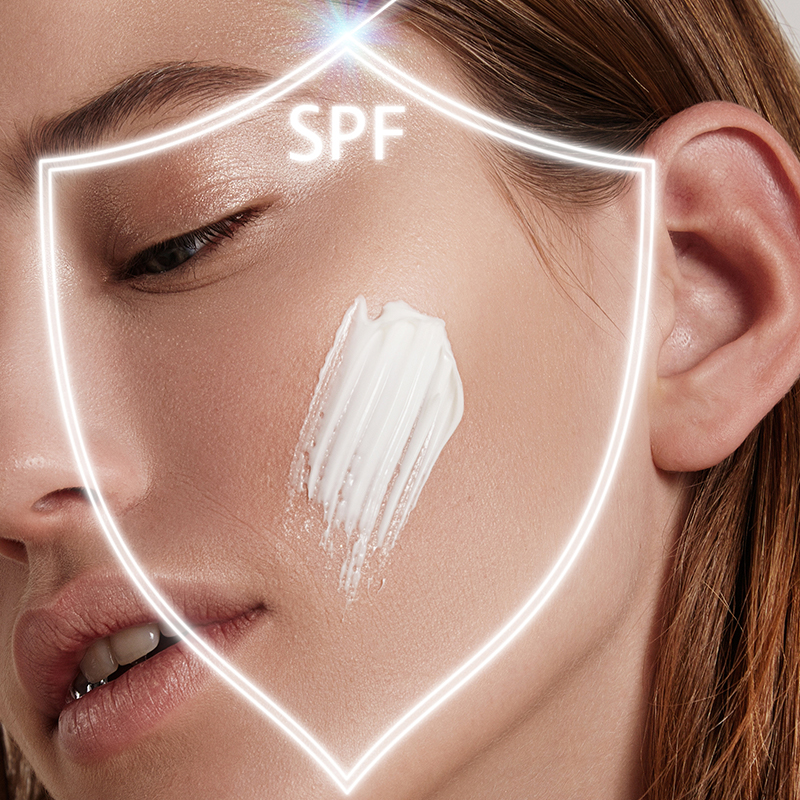
Possible Irritation: Some users may experience dryness, peeling, stinging, or redness; it’s recommended to use intermittently at first and maintain adequate hydration and sun protection.
Avoid Overlapping Actives: Do not combine with other potent exfoliants like AHAs or retinoids to prevent over-exfoliation.
Special Populations: Pregnant or breastfeeding women and individuals allergic to aspirin should use with caution. High-concentration or large-area application should be supervised by a professional to prevent systemic absorption.
4. Conclusion
From the bark of the ancient willow tree to the refined powders of modern laboratories, salicylic acid has undergone a remarkable evolution over millennia. Its unique lipophilicity and keratin-regulating properties have made it indispensable in skincare, medicine, and even agriculture. It is both a “cleanser” for problematic skin and a guardian of human and plant health—a true testament to nature’s wisdom embodied in chemistry.
When used correctly and scientifically, this multifunctional molecule continues to unlock new possibilities for health, beauty, and life itself.