
Pet wellness is one of the fastest-growing segments in the CBD market — and one of the most heavily scrutinized.
Dog treats, oils, and calming chews now appear in markets around the world. But what looks like a simple product opportunity hides real regulatory and formulation challenges. Brands that enter this category well tend to do five things right from the start.
Regulators have taken a cautious position on CBD for animals. In the United States, the FDA has not approved CBD as an ingredient in animal food or treats, and markets in Europe apply varying rules for animal feed and supplements.
That does not mean the category is closed — but it does mean labeling, claims, and documentation must be handled carefully. Avoid language that presents products as treatment for disease, and follow the specific rules of each destination market.
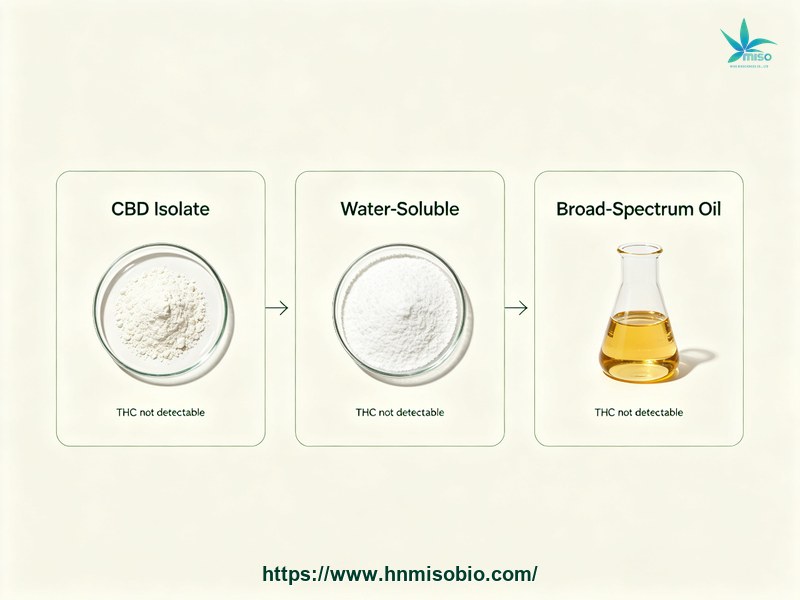
The format of your finished product should determine the ingredient you buy:
For pet products, most brands prioritize formulations where THC is not detectable, supported by third-party results.
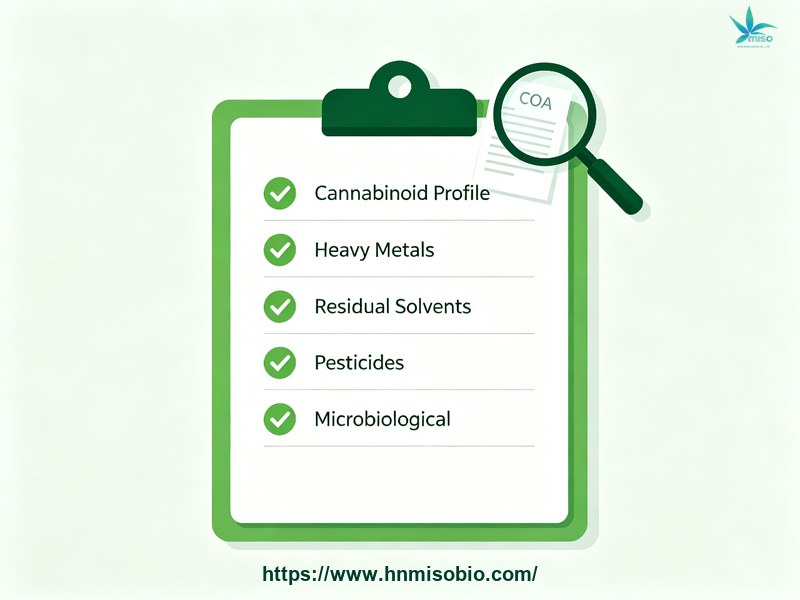
Pet products demand a conservative approach to safety documentation. Every batch should be backed by a third-party COA covering:
Consistent, batch-matched documentation protects both the animals that consume the product and the brand behind it.
Animals vary enormously in size, so accurate, easy-to-administer dosing is essential. Work with an experienced formulator to decide:
A supplier who provides technical guidance can save significant reformulation time later.
Successful pet brands treat their ingredient supplier as a compliance partner, not just a vendor. Confirm early that your supplier can provide the documentation your market requires and maintain stable lead times as your retail placements grow.
The pet CBD opportunity is real, but it rewards discipline: clean ingredients, conservative claims, rigorous testing, and precise formulation. Get those foundations right, and you build trust with the most demanding audience of all — pet owners.
References & further reading