
— Understanding Anxiety and Its Impact on Human Life
Anxiety is an emotion that almost everyone in modern society experiences. Whether it is worry about the future, fear of failure, or sensitivity to others’ opinions, anxiety often exists as a constant background noise in our daily lives. However, anxiety is not simply a “negative emotion.” It has deep biological and social roots.
I. The Nature of Anxiety: A Protective Mechanism
From an evolutionary perspective, anxiety originally functioned as a self-protection mechanism. In early human history, survival environments were filled with danger—wild animals, food shortages, hostile tribes. Remaining alert to potential threats significantly increased chances of survival.
When the brain detects a possible danger, it activates the stress response: increased heart rate, muscle tension, heightened focus. This physiological reaction is the foundation of anxiety.
In other words, anxiety is not a flaw—it is the brain trying to protect you.
The problem is that human evolution has been far slower than social change. Systems designed to respond to life-or-death threats are now constantly triggered by exams, performance reviews, social relationships, mortgages, and social media comparisons. As a result, anxiety becomes overactivated.
II. Why Modern Life Creates More Anxiety
1. Rising Uncertainty
Modern society is fast-paced and constantly changing. Stable life paths are increasingly rare. Careers are no longer lifelong, relationships are more fragile, and the future is harder to predict. The human brain naturally dislikes uncertainty, and the more uncertain life becomes, the stronger anxiety grows.
2. Externalized Evaluation Systems
In the past, a person’s value was mainly judged within small social circles. Today, likes, followers, performance rankings, and income levels have become dominant measures of worth. Constant exposure to evaluation and comparison keeps people in a persistent state of psychological tension.
3. Too Many Choices Become a Burden
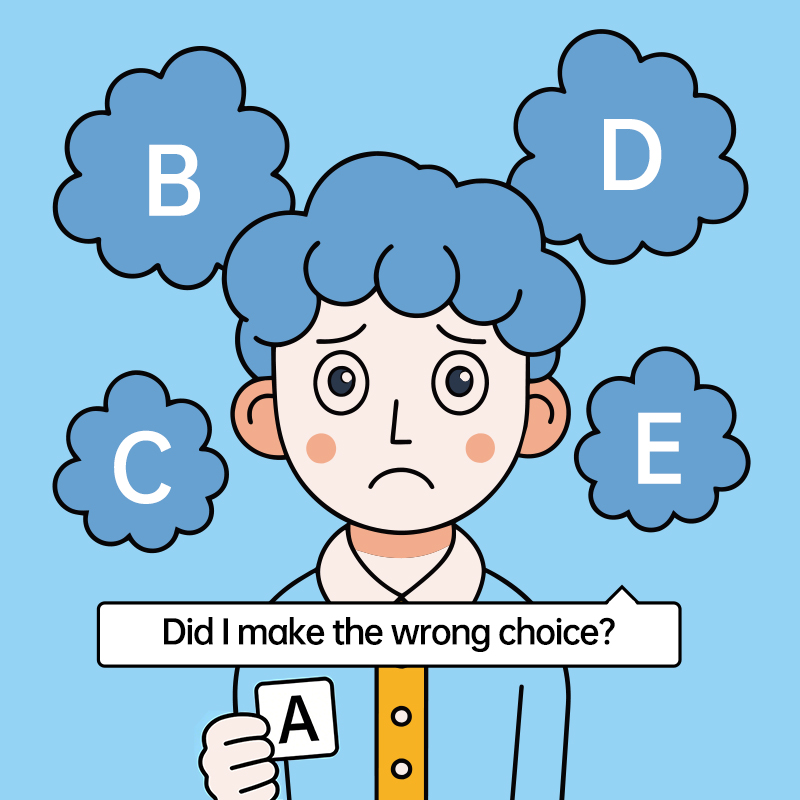
In theory, more choices mean more freedom. In reality, psychological research shows that excessive choice increases anxiety and regret. People constantly wonder, “Did I make the wrong decision?”
4. Emotions Are Suppressed Instead of Processed
Many people tell themselves, “It’s nothing,” or “I’ll get over it.” Suppressed emotions do not disappear; they accumulate and eventually manifest as chronic anxiety or physical discomfort.
III. The Impact of Anxiety: More Than Just “Feeling Bad”
Anxiety affects people systematically, influencing the mind, body, and behavior.
1. Psychological Effects
Reduced concentration: the brain is constantly scanning for threats
Catastrophic thinking: small problems are magnified into worst-case scenarios
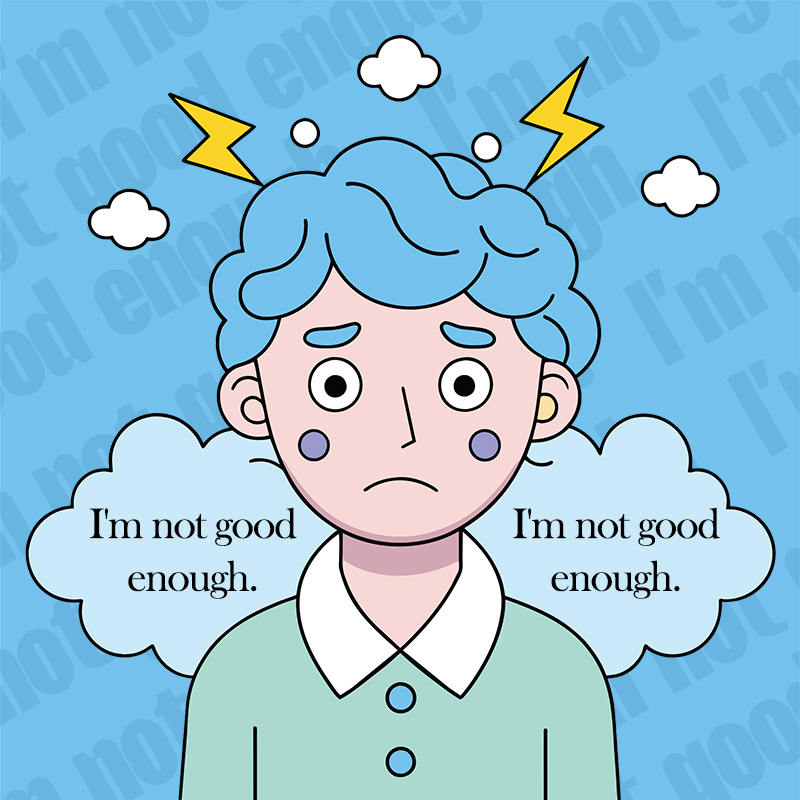
Increased self-doubt: external difficulties are internalized as personal failure
2. Physical Effects
Chronic anxiety keeps stress hormones such as cortisol elevated, which can affect:
Sleep quality
Digestive health
Immune function
Cardiovascular health
Many cases of chronic fatigue, headaches, and stomach discomfort are closely linked to long-term anxiety.
3. Behavioral Effects
Avoidance: hesitation to start or make decisions
Over-control: excessive fixation on details, inability to relax
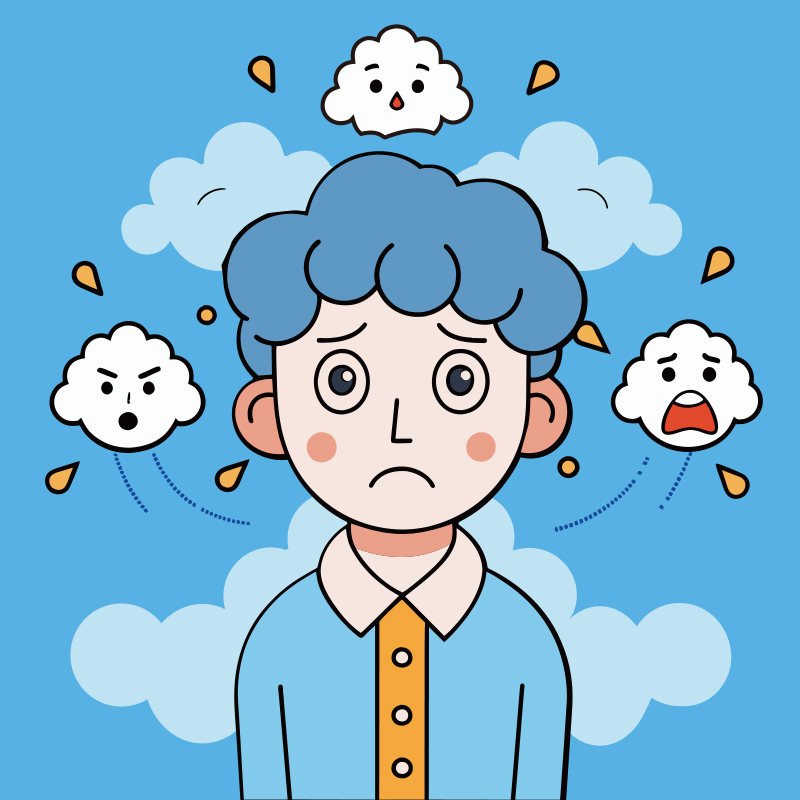
Emotional outbursts: small triggers cause intense reactions due to long-term emotional buildup
IV. The Real Risk Is Not Anxiety, but Chronic Anxiety
Short-term anxiety is normal—and sometimes helpful. What truly deserves attention is long-lasting anxiety with no clear cause.
When anxiety becomes a constant state, people may gradually lose their ability to experience joy and feel as though they are merely surviving rather than truly living.
V. Understanding Anxiety Is the First Step Toward Self-Reconciliation
Feeling anxious does not mean you are weak, unsuccessful, or lacking resilience. On the contrary, it often means you care, reflect, and genuinely want to live well.
Real change does not come from eliminating anxiety completely, but from learning to recognize it, understand it, and coexist with it.
When you can say to yourself, “I am feeling anxious right now, but I am not my anxiety,” you have already taken a crucial step forward.